
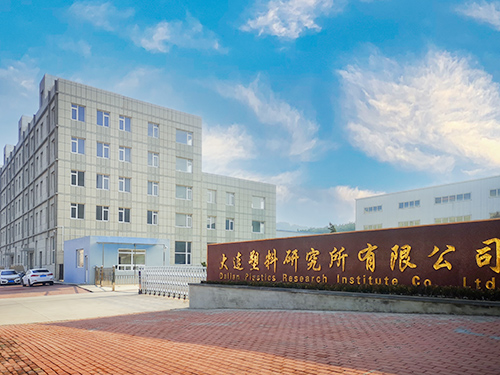
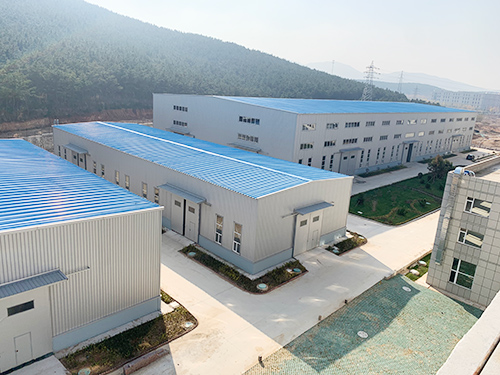
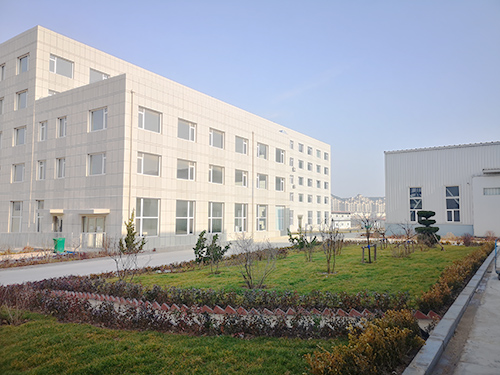




Company name: Dalian Plastics Research Institute Co., Ltd
Telephone:+86-411-66177850
18841186255
Fax:+86-411-86601784
Address: No.18 Fenghenan Road,Lvshunkou District,Dalian,Liaoning
Company name: Dalian Plastics Research Institute Co., Ltd
Telephone:+86-411-66177850
18841186255
Fax:+86-411-86601784
Address: No.18 Fenghenan Road,Lvshunkou District,Dalian,Liaoning
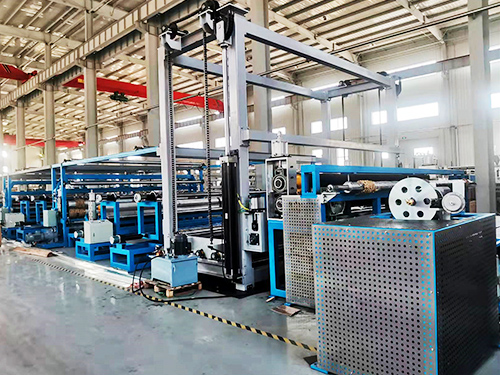
In the process of selecting equipment for the production line of biaxially stretched mesh, enterprises often face many challenges and misunderstandings. These misconceptions may lead to improper equipment selection, low production efficiency, substandard product quality, and even cause huge economic losses. In order to help enterprises avoid these common misconceptions, the following will analyze in detail the main issues in the selection of equipment for biaxially stretched mesh production lines, and provide corresponding solutions.
1. Neglecting production process requirements and blindly pursuing equipment prices
Many companies tend to focus too much on price when purchasing equipment, while neglecting the actual needs of production processes. Low priced equipment may require less initial investment, but if its performance cannot meet production requirements, it may lead to low production efficiency, unstable product quality, and even frequent downtime for maintenance, ultimately increasing overall costs.
Solution: When purchasing equipment, enterprises should first clarify their own production process requirements, including product specifications, output, quality requirements, etc. On this basis, choose equipment that can meet these needs, rather than simply pursuing low prices. At the same time, the long-term operating costs of the equipment should be comprehensively considered, including energy consumption, maintenance costs, service life, etc.
2. Neglecting the compatibility and scalability of devices
Some companies only focus on current production needs when selecting equipment, while neglecting the compatibility and scalability of the equipment. With the continuous changes in market demand, enterprises may need to upgrade or expand their production lines. If the equipment does not have good compatibility and scalability, it may lead to difficulties in subsequent modifications, and even require the replacement of the entire equipment, resulting in resource waste.
Solution: When selecting equipment, companies should fully consider their future development needs and choose devices with good compatibility and scalability. For example, the device should support the production of multiple specifications of products, have modular design, and be easy to upgrade and expand in the future. In addition, suppliers with good after-sales service should be selected to ensure that technical support can be obtained when needed.
3. Neglecting the automation level of the equipment
With the advancement of Industry 4.0, automation equipment has become an important means to improve production efficiency and reduce labor costs. However, some companies still overlook the level of automation when selecting equipment, resulting in low production efficiency and high labor costs.
Solution: Enterprises should prioritize selecting equipment with a high degree of automation, especially those with intelligent control, automatic detection, and automatic adjustment functions. Automated equipment can not only improve production efficiency, but also reduce human operational errors and improve product quality. In addition, automated equipment usually has data collection and analysis functions, which help enterprises optimize production processes and improve management levels.
4. Neglecting the quality and reliability of equipment
Some companies focus too much on the performance parameters of the equipment when purchasing it, while neglecting the quality and reliability of the equipment. Performance parameters are certainly important, but if the quality of the equipment is not up to standard, it may lead to frequent failures, affect production progress, and even cause safety accidents.
Solution: When selecting equipment, enterprises should comprehensively consider the quality and reliability of the equipment. The quality of equipment can be evaluated through on-site inspections, reference to user evaluations, and understanding the reputation of suppliers. In addition, suppliers with good after-sales service should be selected to ensure timely repair and support in case of equipment problems.
5. Neglecting the energy consumption and environmental performance of the equipment
In today's increasingly strict environmental requirements, the energy consumption and environmental performance of equipment have become factors that cannot be ignored when enterprises choose equipment. However, some companies still overlook this point, resulting in high energy consumption, failure to meet environmental standards, and even facing administrative penalties.
Solution: When choosing equipment, enterprises should prioritize selecting equipment with low energy consumption and high environmental performance. You can evaluate the energy consumption and environmental performance of a device by checking its energy efficiency label and understanding its environmental certification. In addition, equipment that meets national environmental standards should be selected to ensure that emissions during the production process meet the standards.
6. Neglecting the technical support and service capabilities of suppliers
Some companies only focus on the equipment itself when selecting equipment, while neglecting the technical support and service capabilities of suppliers. If the supplier's technical support is insufficient, it may lead to difficulties in equipment installation and debugging, inconvenience in subsequent maintenance, and affect production progress.
Solution: Enterprises should fully evaluate the technical support and service capabilities of suppliers when selecting equipment. We can evaluate the support capability of suppliers by understanding their qualifications, the strength of their technical teams, and their after-sales service network. In addition, suppliers with a good reputation should be selected to ensure timely technical support and maintenance services during equipment use.
7. Neglecting the difficulty of operating and maintaining the equipment
Some companies overlook the difficulty of equipment operation and maintenance when selecting equipment, resulting in high maintenance costs for operators who find it difficult to master after the equipment is put into use.
Solution: When selecting equipment, enterprises should fully consider the difficulty of equipment operation and maintenance. You can understand the operation process and maintenance requirements of the equipment through on-site inspections, operational training, and other methods. In addition, equipment that is easy to operate and maintain should be selected to reduce the training and maintenance costs for operators.
8. Neglecting the lifecycle cost of equipment
Some companies only focus on the purchase cost of equipment when selecting it, while ignoring the lifecycle cost of the equipment. The lifecycle cost includes the cost of the entire process of equipment procurement, installation, operation, maintenance, and scrapping. If the lifecycle cost is ignored, it may lead to excessively high overall costs.
Solution: When selecting equipment, enterprises should comprehensively consider the lifecycle cost of the equipment. The overall cost of the equipment can be evaluated by calculating its purchase cost, operating cost, maintenance cost, scrapping cost, etc. In addition, equipment with longer service life and lower maintenance costs should be selected to reduce overall costs.
The selection of equipment for a biaxially oriented mesh production line is a complex process involving multiple factors. When selecting equipment, enterprises should avoid the above misconceptions and comprehensively consider factors such as production process requirements, equipment performance, quality, automation level, energy consumption, environmental performance, supplier support capabilities, difficulty in operation and maintenance, and lifecycle costs to choose equipment that is more suitable for their own needs. Only in this way can we ensure the stable operation of the production line, improve production efficiency, reduce overall costs, and achieve sustainable development of the enterprise.




Address: No.18 Fenghenan Road,Lvshunkou District,Dalian,Liaoning Telephone:18841186255 mailbox:dsy@plasticdl.com

 Taobao Wangwang