
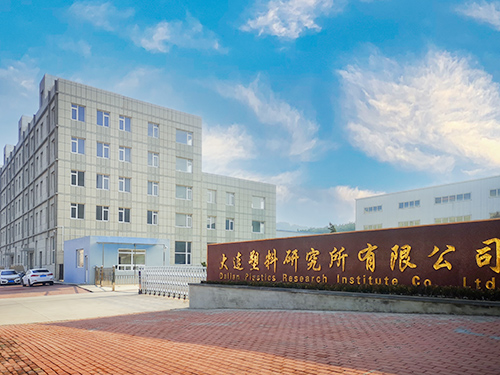
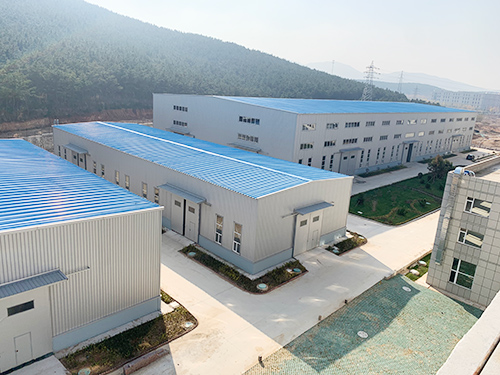
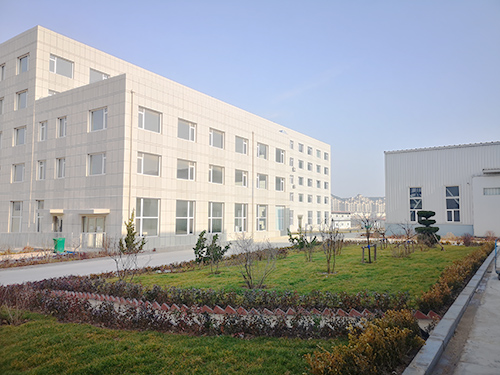




Company name: Dalian Plastics Research Institute Co., Ltd
Telephone:+86-411-66177850
18841186255
Fax:+86-411-86601784
Address: No.18 Fenghenan Road,Lvshunkou District,Dalian,Liaoning

Company name: Dalian Plastics Research Institute Co., Ltd
Telephone:+86-411-66177850
18841186255
Fax:+86-411-86601784
Address: No.18 Fenghenan Road,Lvshunkou District,Dalian,Liaoning
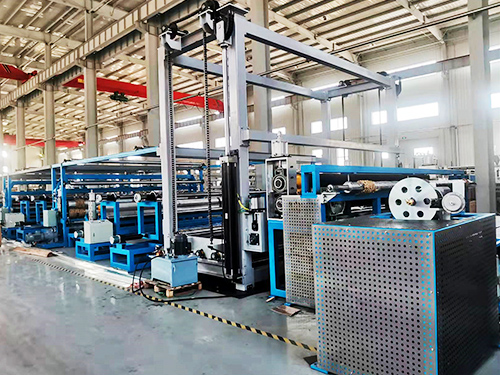
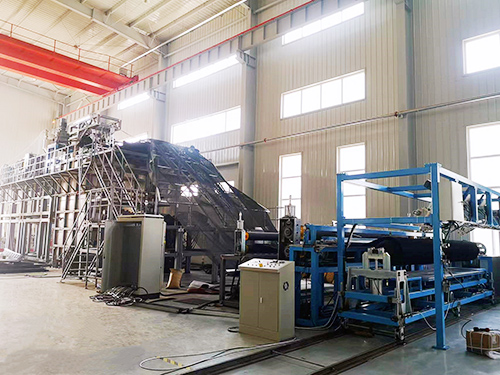
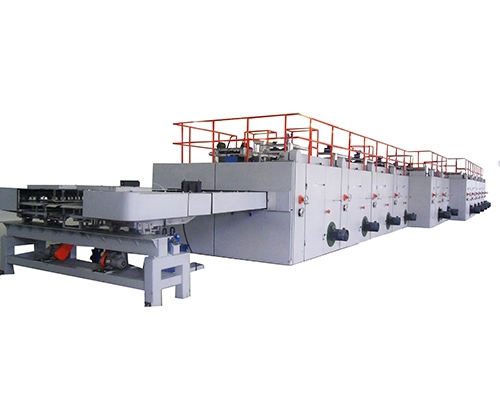
The biaxially stretched mesh production line equipment is a specialized device used for producing biaxially stretched mesh (also known as biaxially stretched geogrid, biaxially stretched plastic mesh, etc.). This type of equipment has a wide range of applications in geotechnical materials, construction, agriculture, transportation, and other fields. In order to ensure that the produced biaxially stretched mesh has high quality and stable performance, the equipment itself needs to have a series of key performance indicators.
1. Production efficiency
Production speed: Production speed is an important indicator for measuring equipment efficiency. High speed production lines can produce more products per unit time, thereby improving overall production efficiency. Usually, production speed is measured in meters per minute or tons per hour.
Automation level: Equipment with high automation level can reduce manual intervention, improve production efficiency and consistency. The automation system includes functions such as automatic feeding, automatic stretching, automatic cutting, and automatic winding.
2. Tensile performance
Stretching force control: In the production process of biaxially stretched mesh, stretching force is a key factor determining product performance. The equipment needs to have a precise stretching force control system to ensure that the force value during the stretching process is stable and meets the design requirements.
Stretching speed: The stretching speed needs to match the production speed, as being too fast or too slow can affect the quality and performance of the product. The equipment should have adjustable stretching speed function to meet the needs of different materials and products.
Uniformity of stretching: During the stretching process, the uniformity of the mesh directly affects the mechanical properties of the product. The equipment needs to ensure uniform force distribution in all directions during the stretching process to avoid local over or under tension.
3. Temperature control
Heating system accuracy: The production of biaxially stretched mesh usually requires heating the material to achieve a certain degree of plasticity and stretchability. The temperature control accuracy of the heating system directly affects the quality of the product. The equipment should have a high-precision temperature control system to ensure stable and uniform heating temperature.
Cooling system efficiency: The stretched material needs to be rapidly cooled and shaped, and the efficiency of the cooling system directly affects the dimensional stability and mechanical properties of the product. The equipment should have an efficient cooling system to ensure that the product reaches a stable state in a short period of time.
4. Material adaptability
Material compatibility: The biaxially oriented mesh production line equipment needs to be able to handle a variety of materials, such as polyethylene (PE), polypropylene (PP), polyester (PET), etc. The equipment should have good material adaptability and be able to adjust process parameters according to the characteristics of different materials.
Material thickness range: The equipment should be able to handle materials of different thicknesses, from thin to thick materials, and should have good processing capabilities. This requires the equipment to have adjustable stretching and heating systems.
5. Product dimensional accuracy
Mesh size control: The mesh size of the biaxially stretched mesh is one of the important parameters of the product, and the equipment needs to have precise mesh size control function to ensure that the product meets the design requirements.
Product thickness control: The thickness of a product directly affects its mechanical properties and service life. The equipment should have a precise thickness control system to ensure that the product thickness is uniform and meets the standards.
6. Equipment stability
Mechanical structure stability: The mechanical structure of the equipment needs to have high stability to ensure that there will be no deformation or loosening during long-term operation, which will affect product quality.
Electrical system stability: The stability of the electrical system directly affects the operational efficiency and product quality of the equipment. The equipment should have a reliable electrical control system to avoid production interruptions or product quality issues caused by electrical failures.
7. Energy consumption and environmental protection
Energy consumption control: The energy consumption of equipment is an important component of production costs. Efficient and energy-saving equipment can reduce production costs and improve economic efficiency. The equipment should have a low-energy design to reduce energy waste.
Environmental performance: The equipment should minimize the emission of exhaust gas, wastewater, and noise during the production process, in compliance with environmental requirements. Especially during the heating and cooling process, the emission of harmful substances should be minimized as much as possible.
8. Operation and maintenance
Ease of operation: The operating interface of the device should be concise and clear, making it easy for operators to quickly grasp. Highly automated equipment can reduce operational difficulty and improve production efficiency.
Convenience of maintenance: The equipment should have good maintenance performance, making it easy for daily maintenance and repair. Key components should be easy to disassemble and replace, reducing downtime.
9. Safety performance
Safety protection: The equipment should have comprehensive safety protection measures, such as emergency stop buttons, protective covers, safety alarm systems, etc., to ensure the safety of operators.
Fault diagnosis: The equipment should have fault diagnosis function, which can timely detect and prompt equipment faults, reducing production losses caused by faults.
10. Product consistency
Batch consistency: The equipment should ensure that products produced from different batches have a high degree of consistency to avoid quality differences caused by equipment fluctuations.
Dimensional stability: The product should maintain dimensional stability during stretching and cooling processes to avoid product failure caused by shrinkage or deformation.
The key performance indicators of the biaxially stretched mesh production line equipment include production efficiency, stretching performance, temperature control, material adaptability, product size accuracy, equipment stability, energy consumption and environmental protection, operation and maintenance, safety performance, and product consistency. These indicators collectively determine the production capacity and product quality of the equipment. When selecting and using equipment for a biaxially stretched mesh production line, users should consider these key performance indicators comprehensively based on their own needs to ensure that the equipment can meet production requirements and produce high-quality biaxially stretched mesh products.



Address: No.18 Fenghenan Road,Lvshunkou District,Dalian,Liaoning Telephone:18841186255 mailbox:dsy@plasticdl.com

 Taobao Wangwang