
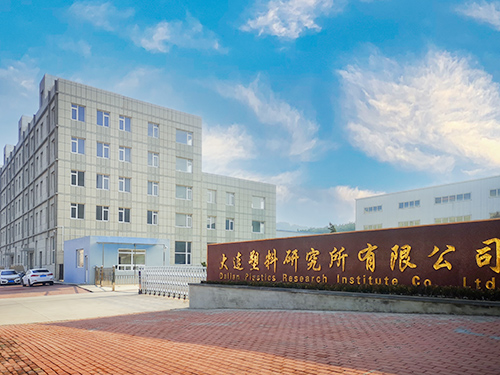
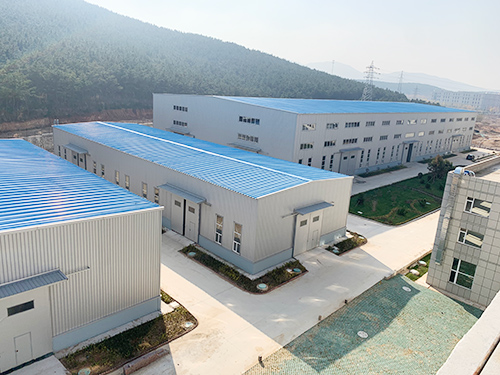
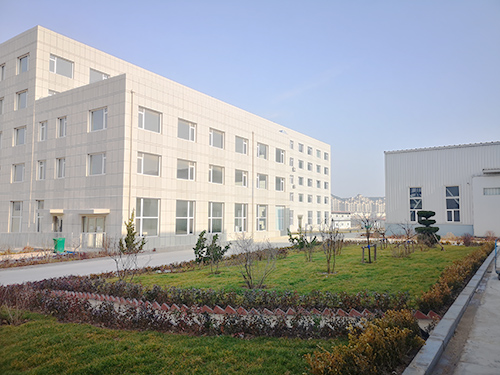
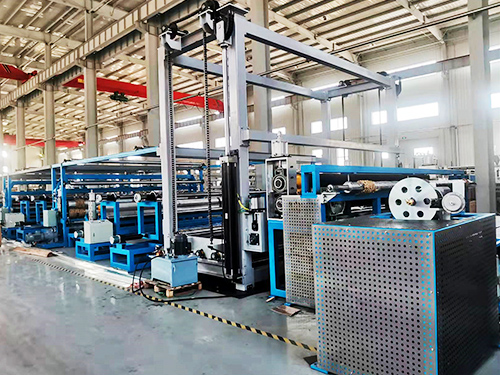
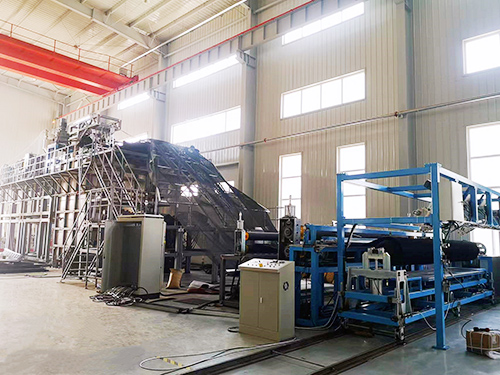
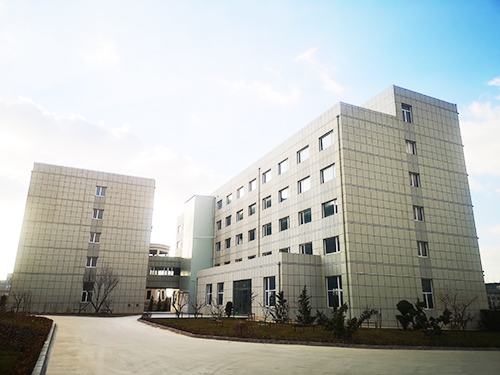
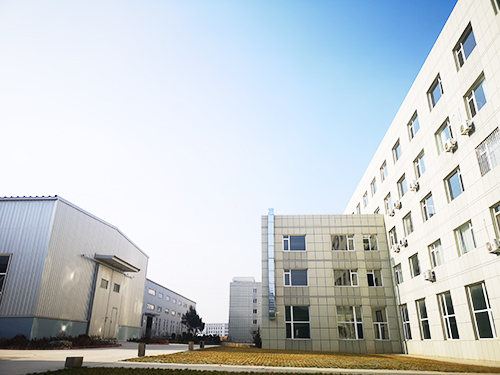
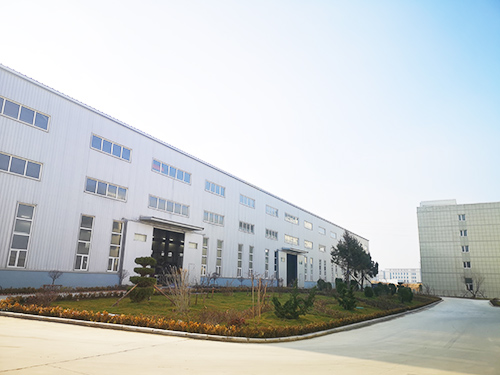




Company name: Dalian Plastics Research Institute Co., Ltd
Telephone:+86-411-66177850
18841186255
Fax:+86-411-86601784
Address: No.18 Fenghenan Road,Lvshunkou District,Dalian,Liaoning

Company name: Dalian Plastics Research Institute Co., Ltd
Telephone:+86-411-66177850
18841186255
Fax:+86-411-86601784
Address: No.18 Fenghenan Road,Lvshunkou District,Dalian,Liaoning
1、 Basic parameters of equipment
Before purchasing geogrid production line equipment, it is necessary to comprehensively understand the basic technical parameters of the equipment, which directly affect the production capacity and applicability of the equipment.
1. Equipment model and specifications
Different models of geogrid production lines are suitable for producing different types of products. It is necessary to clarify the types of grilles that the equipment can produce (such as uniaxial tension, biaxial tension, welding type, etc.), the maximum width (commonly 2m, 4m, 6m, etc.), and the theoretical production capacity (usually calculated in square meters/hour or tons/hour). For example, a biaxially stretched grid production line is usually more complex and expensive than a uniaxial stretching equipment.
2. Power system parameters
Including main motor power (usually between 50-300kW), heating power (for processes that require heat treatment), hydraulic system working pressure (usually in the range of 16-25MPa), etc. Power parameters not only affect equipment performance, but also directly relate to energy consumption costs. Although high-power equipment has a large production capacity, its operating costs also increase accordingly.
3. Control system configuration
Modern geogrid production lines often use PLC (Programmable Logic Controller) or industrial computer control, and it is necessary to understand the brand of the control system (such as Siemens, Mitsubishi, etc.), automation level, human-machine interface configuration, etc. Advanced control systems can achieve functions such as parameter memory, fault diagnosis, and remote monitoring, which are crucial for improving production stability and product quality.
2、 Production process related parameters
The production process of geogrid determines the specific configuration requirements of the equipment, and different process routes require attention to different parameters.
1. Adaptability of raw materials
It is necessary to understand the types of raw materials (such as PP, HDPE, PET, etc.) that the equipment is suitable for, the particle size requirements of the raw materials, and whether it supports the mixing of recycled materials. Some high-end equipment is equipped with a raw material drying system, which has strict requirements for the moisture content of raw materials (usually<0.05%).
2. Extrusion system parameters
For extrusion stretching process, attention should be paid to screw diameter (commonly 90-150mm), aspect ratio (usually between 28:1-32:1), maximum extrusion temperature (usually 200-280 ℃), extrusion pressure, etc. High aspect ratio screws can provide better plasticizing effects, but the manufacturing cost is also higher.
3. Stretching process parameters
Including preheating temperature (usually controlled at 10-20 ℃ below the melting point of the material), stretching ratio (3-5 times longitudinally and 2-4 times transversely), stretching speed (5-20m/min), cooling method, etc. These parameters directly affect the mechanical properties and dimensional stability of the product.
4. Punching and welding parameters
For stamping welded grilles, it is necessary to understand the specifications of the punching die, punching frequency, welding temperature control accuracy (preferably within ± 2 ℃), welding pressure, etc. High precision temperature control is the key to ensuring welding quality.
3、 Product quality control parameters
The quality control capability of equipment is directly related to the qualification rate and performance stability of the final product.
1. Dimensional accuracy control
Including grid aperture deviation (generally within ± 2%), rib thickness uniformity (± 5%), overall flatness, etc. High end equipment is equipped with online thickness gauges and automatic feedback adjustment systems.
2. Mechanical performance guarantee
The equipment should be able to ensure that the product meets the national standard requirements for tensile strength (such as the longitudinal and transverse tensile strength of bidirectional grids usually requiring ≥ 30kN/m), elongation at break (generally ≤ 12%), and other indicators. We need to understand how the device ensures the stability of these performance parameters.
3. Appearance quality control
Including surface smoothness requirements, presence of burrs and burrs, color uniformity, etc. These seemingly minor parameters may affect construction efficiency and product lifespan in practical engineering applications.
4、 Equipment operation and maintenance parameters
The reliability and maintenance convenience of equipment have a significant impact on long-term production costs.
1. Equipment reliability indicators
This includes the mean time between failures (MTBF, usually requiring>2000 hours), the lifespan of critical components (such as screw service life, usually 3-5 years), and the overall design lifespan of the equipment (usually 10-15 years).
2. Maintenance requirements
Need to understand the daily maintenance cycle, number of lubrication points, frequency and cost of replacing vulnerable parts (such as filters, heating rings, seals, etc.). Modular design devices are usually easier to maintain.
3. Safety protection device
Including safety configurations such as overload protection, temperature limit alarm, emergency shutdown system, etc. A comprehensive security system can significantly reduce operational risks.
5、 Requirements for Factory Buildings and Supporting Facilities
The installation and operation of equipment have specific requirements for the factory building and supporting facilities, which also need to be clarified before procurement.
1. Space requirements for factory buildings
This includes the equipment footprint (about 200 square meters for small lines and over 800 square meters for large lines), height requirements (usually 6-10m), and ground load-bearing capacity (generally ≥ 3t/square meter). We also need to consider the storage areas for raw materials and finished products.
2. Public works conditions
Including power demand (voltage 380V ± 10%, frequency 50Hz), compressed air requirements (pressure 0.6-0.8MPa, flow rate 1-3m ³/min), cooling water system (flow rate 5-15m ³/h), etc. Failure to meet the requirements of public works may result in equipment malfunction.
3. Environmental control requirements
Some processes have requirements for workshop temperature and humidity (such as temperature 15-35 ℃, humidity<70%), and it is necessary to understand the environmental adaptability of the equipment.
6、 Economic evaluation parameters
In addition to technical parameters, economic evaluation is equally important as it relates to the investment return cycle.
1. Equipment price and payment method
Including host price, supporting equipment price, installation and debugging costs, payment terms (usually 30% advance payment, 70% paid before shipment), etc. Imported equipment is usually 30-50% more expensive than domestic equipment, but may provide better performance stability.
2. Energy consumption indicators
Including unit product electricity consumption (usually 1-3kWh/㎡), thermal energy utilization rate, etc. Although high-efficiency energy-saving equipment has a high initial investment, its long-term operating costs are low.
3. Personnel requirements
It is necessary to understand the number of personnel and skill requirements required for equipment operation (usually 2-4 people/shift), as highly automated equipment can reduce labor costs.
4. Supplier service capability
Including warranty period (usually 1-2 years), spare parts supply cycle, technical support response time, etc. High quality after-sales service can significantly reduce the risk of downtime.
After considering the above parameters comprehensively, the purchaser should choose a more suitable production line configuration based on factors such as product positioning, market size, and financial situation. Suggest conducting on-site inspections of equipment manufacturers' production sites, observing the actual operation of the equipment, and requesting test samples for testing. At the same time, conduct technical exchanges and business negotiations with multiple suppliers to obtain better cost-effective solutions. The geogrid production line is a significant investment, and reasonable preliminary research can avoid many problems in later operation and ensure investment return.



Address: No.18 Fenghenan Road,Lvshunkou District,Dalian,Liaoning Telephone:18841186255 mailbox:dsy@plasticdl.com

 Taobao Wangwang