
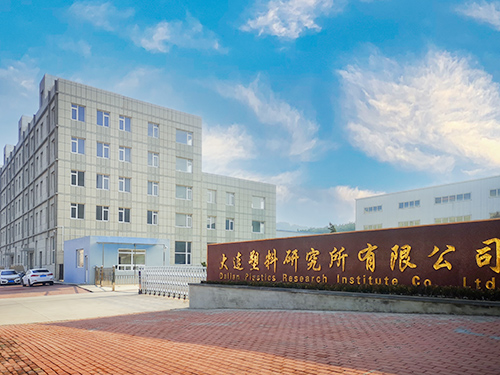
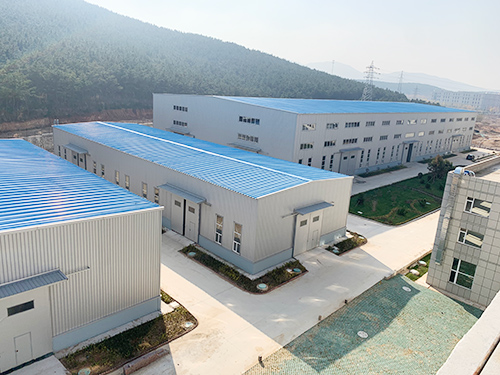
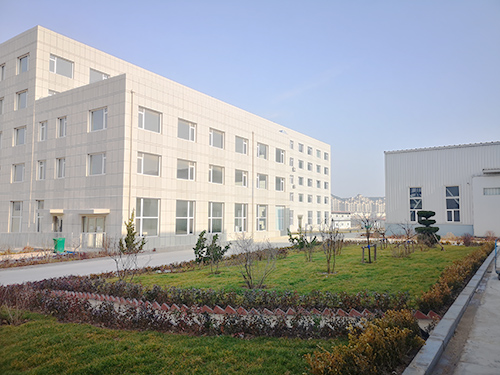
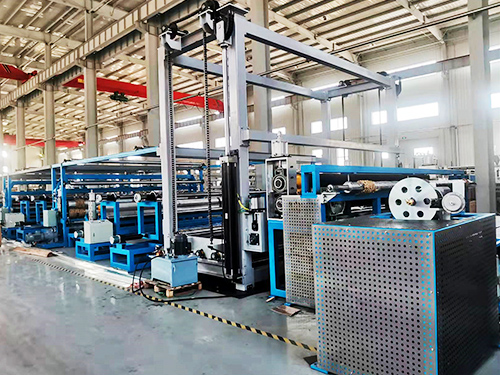




Company name: Dalian Plastics Research Institute Co., Ltd
Telephone:+86-411-66177850
18841186255
Fax:+86-411-86601784
Address: No.18 Fenghenan Road,Lvshunkou District,Dalian,Liaoning
Company name: Dalian Plastics Research Institute Co., Ltd
Telephone:+86-411-66177850
18841186255
Fax:+86-411-86601784
Address: No.18 Fenghenan Road,Lvshunkou District,Dalian,Liaoning
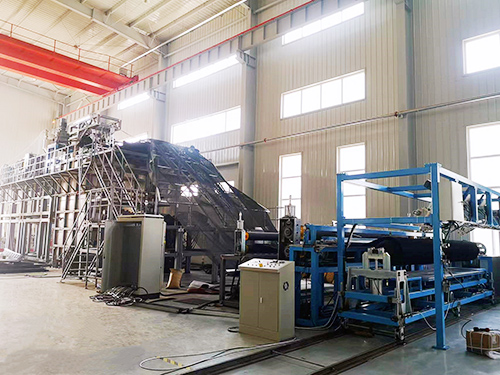
Procuring a biaxial mesh production line is a core strategy for plastic processors expanding into protection, geotechnical engineering, aquaculture and other sectors. Equipment selection directly determines product quality, production efficiency and long-term profit margins. Six key factors should be prioritized to avoid procurement pitfalls of “low price with inferior quality”.
First, compatibility between core technology and target products. Key properties of biaxial mesh including mechanical strength and uniform aperture fully rely on the design of the stretching system. Verify whether the equipment supports synchronous biaxial tension control and flexible adjustment of machine/transverse stretch ratios as required (e.g. a 1:4~1:8 ratio for geogrids, and stable small aperture spacing for aquaculture netting). Raw material adaptability should also be confirmed to ensure compatibility with mainstream materials such as PP, PE and modified plastics. Insufficient stretching precision will cause excessive deviation in breaking strength and mesh size, failing to satisfy customized requirements from downstream clients.
Second, operational stability and productivity. Continuous running duration and reject rate are critical indicators of capacity and cost. Prioritize machines equipped with high-precision PLC control systems, which regulate extrusion temperature, stretching tension and haul-off speed in real time. Such systems greatly reduce defects like mesh rupture and uneven thickness, keeping reject rates below 1%. Check capacity matching among all sections including extrusion, stretching and winding to eliminate bottlenecks, and confirm minimum annual continuous uptime of 300 days to support mass production.
Third, full-lifecycle costs. Avoid focusing merely on upfront purchase cost; calculate long-term operating expenses. For instance, extruders fitted with asynchronous servo motors cut power consumption by 20%~30%. Check whether core components are standard parts (to avoid high lead times for custom spare parts) and the ease of wearable component replacement. Low-cost machinery may carry low acquisition prices yet consume an extra RMB 150,000 of electricity annually. The price gap can be offset within three years, resulting in poor long-term economy.
Fourth, automation and intelligence level. Prefer lines integrated with online visual inspection (detecting holes and aperture deviation), automatic winding changeover and recipe memory. Changeover time can be shortened from 2 hours to 15 minutes and human error minimized. Equipment supporting remote fault diagnosis and MES integration suits large-scale plant management, lowering labor and administration costs and meeting Industry 4.0 upgrading demands.
Fifth, after-sales service and technical support. Timely troubleshooting and process tuning are essential. Confirm whether suppliers provide free installation & commissioning, operator training (covering process adjustment and fault diagnosis), 24-hour response for major failures, and a minimum 2-year warranty on core structures such as stretching frames. Local service outlets are particularly important; prolonged waiting for spare parts can trigger tens of thousands RMB daily losses from production shutdowns.
Sixth, compliance and environmental performance. Equipment must satisfy national energy-saving and environmental regulations. Supporting waste gas treatment units need to meet VOC emission standards to prevent production suspension penalties. For geotechnical and agricultural applications, the line shall be capable of manufacturing products complying with relevant national standards (e.g. GB/T 17640 for geosynthetics), securing market access for downstream products.
In summary, procurement of biaxial mesh production lines shall center on “product matching and sustainable profitability”. Comprehensive evaluation of technology, cost, service and other dimensions lays solid equipment foundations for enterprises to tap segmented markets.




Address: No.18 Fenghenan Road,Lvshunkou District,Dalian,Liaoning Telephone:18841186255 mailbox:dsy@plasticdl.com

 Taobao Wangwang