
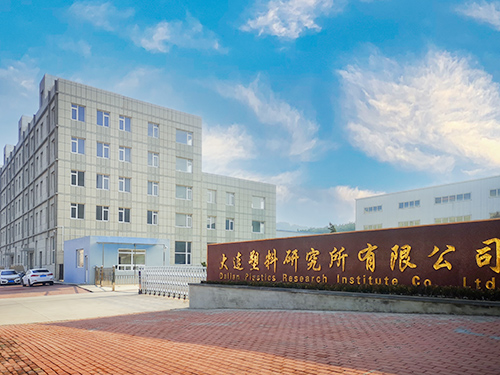
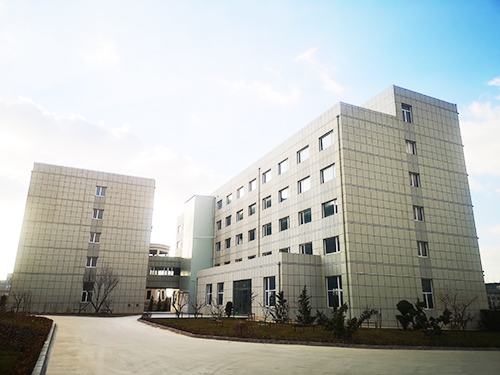
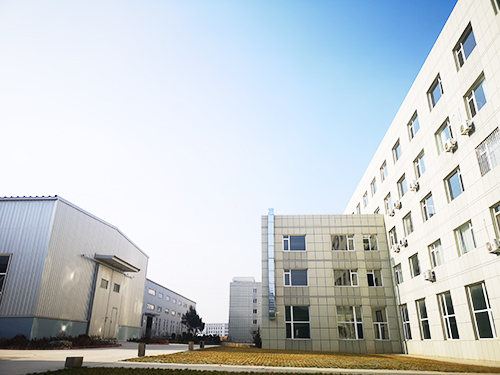
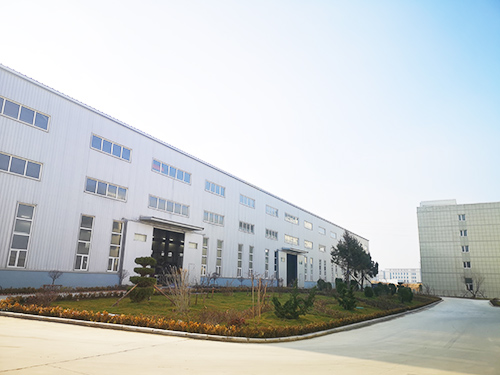




Company name: Dalian Plastics Research Institute Co., Ltd
Telephone:+86-411-66177850
18841186255
Fax:+86-411-86601784
Address: No.18 Fenghenan Road,Lvshunkou District,Dalian,Liaoning

Company name: Dalian Plastics Research Institute Co., Ltd
Telephone:+86-411-66177850
18841186255
Fax:+86-411-86601784
Address: No.18 Fenghenan Road,Lvshunkou District,Dalian,Liaoning
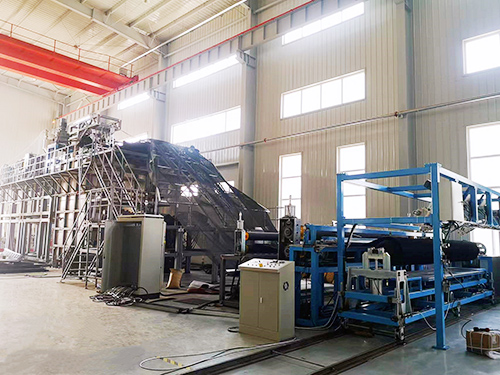
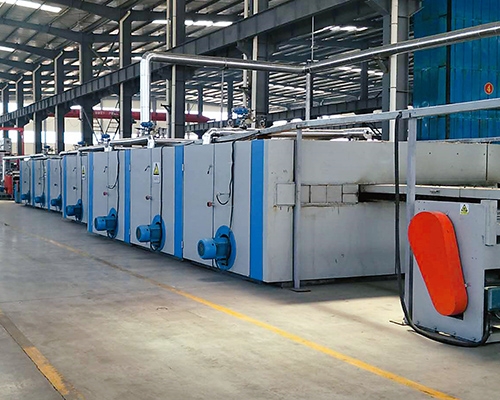
The installation and debugging of equipment for a biaxially stretched mesh production line is a complex and critical process that involves specialized knowledge in multiple fields such as mechanical, electrical, and automation control. In order to ensure that the equipment can operate normally and achieve the expected production effect, the following aspects need to be noted during the installation and debugging process:
1、 Preliminary preparation work
site preparation
Before installing the equipment, it is necessary to ensure that the production site meets the requirements for equipment installation. Specifically, it includes:
Ground flatness: The equipment foundation ground should be flat and sturdy to ensure that the equipment will not vibrate or tilt due to uneven ground after installation.
Space layout: Based on the size of the equipment and production process, plan the layout of the equipment reasonably to ensure sufficient operation and maintenance space between each device.
Power supply: Check whether the power supply meets the equipment requirements, including parameters such as voltage, current, frequency, etc., to ensure the stability and reliability of the power system.
Air source and water source: If the equipment requires compressed air or cooling water, the corresponding air source and water source should be prepared in advance, and the pressure and flow rate should be ensured to meet the equipment requirements.
Equipment inspection
After the equipment arrives, a comprehensive inspection should be conducted to ensure that the equipment has not been damaged during transportation. Specifically, it includes:
Appearance inspection: Check the appearance of the equipment for any bumps, deformations, rust, or other issues.
Component inspection: Check the equipment list to ensure that all components are complete and inspect for any damage or missing parts.
Documentation: Check whether the technical documents, drawings, operation manuals, etc. of the equipment are complete to ensure that there is evidence for subsequent installation and debugging.
2、 Equipment installation process
Basic installation
The installation of equipment should start from the foundation, ensuring that the equipment base is firmly connected to the ground. The specific steps include:
Basic fixation: Use anchor bolts to fix the equipment base to the ground, ensuring that the equipment will not shift due to vibration.
Horizontal adjustment: Use a level to adjust the levelness of the equipment, ensuring that it operates in a horizontal state and avoiding mechanical failures caused by tilting.
Connecting pipelines: If the equipment needs to be connected to a gas source, water source, or oil circuit, ensure that the pipeline connection is firm and leak free.
Mechanical Installation
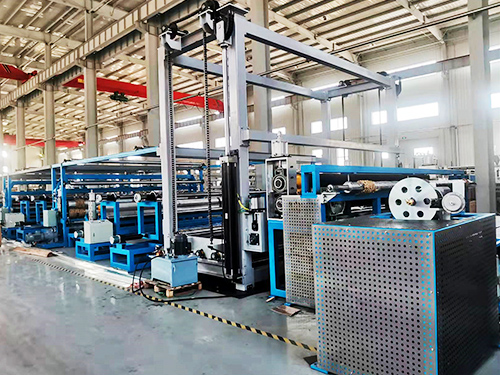
A biaxially oriented mesh production line usually includes multiple modules, such as extruders, stretching machines, rewinding machines, etc. The installation of each module should be strictly carried out according to the technical drawings to ensure the precision of the fit between each component. Specific precautions include:
Transmission system installation: Ensure the installation accuracy of transmission components such as transmission shafts, belts, chains, etc., and avoid vibration or noise caused by improper installation.
Installation of guide rollers: The installation of guide rollers in the stretching net production line should ensure their parallelism and levelness to avoid uneven stretching caused by non parallel rollers.
Heating system installation: The installation of heating rollers or heating plates should ensure uniform contact with the mesh material to avoid local overheating or overcooling.
Electrical installation
Electrical installation is a critical step in equipment debugging, and it is necessary to ensure the safety and reliability of the electrical system. Specific precautions include:
Cable laying: Cable laying should be neat and firm, avoiding cable crossing or entanglement, ensuring clear and easy maintenance of electrical circuits.
Grounding protection: Ensure that the grounding system of the equipment meets safety standards to avoid equipment damage or personnel injury caused by leakage.
Sensor installation: Bidirectional stretch mesh production lines are usually equipped with multiple sensors, such as temperature sensors, speed sensors, etc. It should be ensured that their installation positions are accurate and signal transmission is stable.
3、 Equipment debugging process
No load debugging
After the installation of the equipment is completed, perform no-load debugging first to check the operation of each part of the equipment. The specific steps include:
Motor operation: Start the motor and check if it runs smoothly and if there are any abnormal noises or vibrations.
Transmission system inspection: Check whether the transmission components such as the transmission shaft, belt, and chain are operating normally, and whether there is any slipping or jamming.
Control system inspection: Check the operation of control systems such as PLC and touch screen to ensure that all control buttons, indicator lights, and alarm systems are working properly.
Load debugging
After passing the no-load debugging, perform load debugging to simulate actual production conditions and check the operation of the equipment under load conditions. Specific precautions include:
Adjustment of stretching speed: Adjust the speed of the stretching machine to ensure even stretching of the mesh, avoiding uneven stretching caused by too fast or too slow speed.
Temperature control debugging: Adjust the temperature of the heating system to ensure uniform temperature of the mesh during the stretching process, and avoid deformation or fracture of the mesh caused by high or low temperature.
Winding debugging: Check the operation of the winding machine to ensure even winding tension and avoid deformation or breakage of the mesh material caused by excessive or insufficient tension.
parameter optimization
During the load debugging process, the equipment parameters should be optimized according to the actual production situation to ensure that the equipment reaches a better production state. The specific optimization content includes:
Stretch ratio optimization: Adjust the stretch ratio based on the material and thickness of the mesh to ensure the strength and uniformity of the stretched mesh.
Temperature optimization: Adjust the temperature of the heating system according to the material of the mesh to ensure that the quality of the mesh is not affected by high or low temperature during the stretching process.
Tension optimization: Adjust the tension of the winding machine to ensure that the mesh material will not deform due to excessive or insufficient tension during the winding process.
4、 Safety precautions
personnel security
During the installation and debugging process of the equipment, operators should wear necessary safety protective equipment, such as helmets, gloves, protective goggles, etc., to avoid injuries caused by mechanical or electrical operations.
Equipment safety
During the debugging process, it is necessary to strictly follow the operation manual to avoid equipment damage caused by improper operation. Especially during load debugging, the load should be gradually increased to avoid equipment overload caused by excessive load.
environmental safety
During the installation and debugging process of equipment, attention should be paid to the safety of the surrounding environment to avoid safety accidents such as fires and electrical leakage caused by equipment operation. Especially near high-temperature and high-pressure equipment, clear safety warning signs should be set up.
5、 Post maintenance and training
Equipment maintenance
After the equipment debugging is completed, a detailed equipment maintenance plan should be developed to regularly inspect and maintain the equipment, ensuring its long-term stable operation.
personnel training
After the equipment debugging is completed, comprehensive training should be provided to the operators to ensure that they master the operation and maintenance skills of the equipment, and to avoid equipment failures or production accidents caused by improper operation.
The installation and commissioning of equipment for a biaxially stretched mesh production line is a systematic project that involves multiple fields such as mechanical, electrical, and automation control. During the installation and debugging process, it is necessary to strictly follow the technical requirements and operating specifications to ensure the safety and reliability of the equipment. Through scientific and reasonable installation and debugging, it can ensure that the equipment reaches a better production state, improve production efficiency and product quality.



Address: No.18 Fenghenan Road,Lvshunkou District,Dalian,Liaoning Telephone:18841186255 mailbox:dsy@plasticdl.com

 Taobao Wangwang