
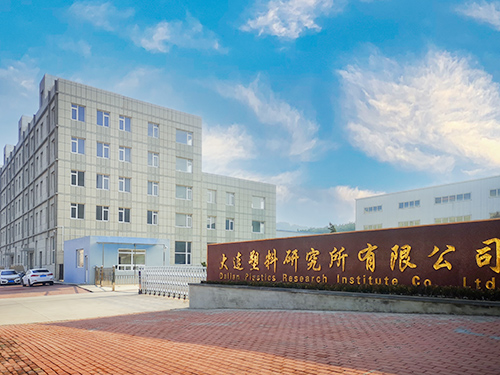
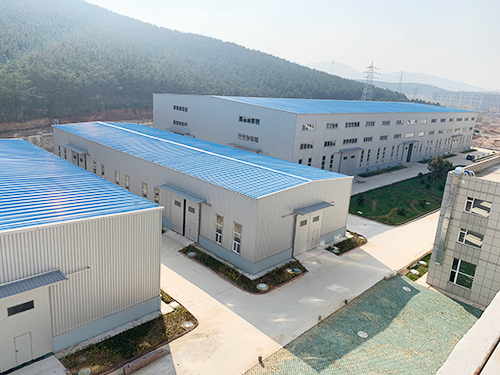




Company name: Dalian Plastics Research Institute Co., Ltd
Telephone:+86-411-66177850
18841186255
Fax:+86-411-86601784
Address: No.18 Fenghenan Road,Lvshunkou District,Dalian,Liaoning

Company name: Dalian Plastics Research Institute Co., Ltd
Telephone:+86-411-66177850
18841186255
Fax:+86-411-86601784
Address: No.18 Fenghenan Road,Lvshunkou District,Dalian,Liaoning
How to Resolve Wire Breakage and Mesh Rupture on Biaxially Stretched Mesh Production Line
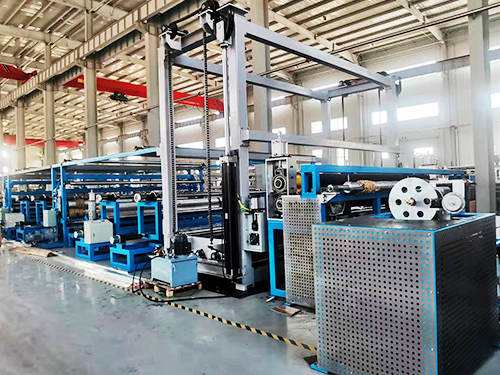
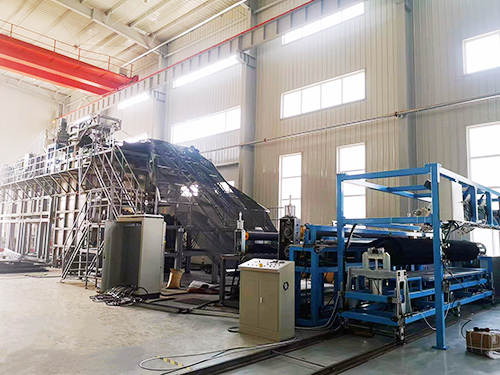
Wire breakage and mesh rupture are frequent faults during plastic stretched mesh production on biaxially stretched mesh lines. Such faults lead to unplanned downtime, material waste and lower qualified product rates. The root causes spread across extrusion, cooling, longitudinal stretching, transverse stretching, traction and winding sections. Troubleshooting shall follow a step-by-step sequence: first identify problems from raw materials, process parameters or worn components. Standardized inspection and rectification procedures must be established to eliminate unstable factors and ensure continuous production.
1. Inspection of Raw Materials and Extrusion Section
Raw material impurities, excessive moisture and unstable regrind ratio produce bubbles, hard lumps and carbon particles inside extruded sheets, forming stress concentration points that trigger tearing and wire breakage in subsequent stretching. Pre-production steps include raw material screening, drying and stable regrind proportion to reduce foreign contaminants.
Regularly clean extruder screws and die heads. Material buildup and carbon deposits on die lips scratch sheets and form tiny cracks that expand into mesh rupture during stretching.
Keep extrusion temperature stable: low temperature causes insufficient plasticization and high brittleness; excessive temperature reduces melt strength, also resulting in fracture during stretching. Uniform temperature control across all zones minimizes sheet thickness variation.
2. Cooling and Setting Inspection to Eliminate Hidden Cracks
After exiting the die, sheets pass over cooling rolls. Surface scratches, uneven roll temperature and unstable cooling water cause inconsistent cooling and uneven internal stress. Misaligned roll gaps and surface precipitates create invisible micro-cracks on sheet surfaces.
Operators shall regularly clean cooling rolls, inspect cooling water circulation and calibrate roll parallelism to achieve uniform cooling speed.
Over-fast cooling hardens the surface while the core remains unset, leading to uneven stress and intermittent wire breakage. A matched cooling cycle is required.
3. Longitudinal Stretching Unit Troubleshooting
Longitudinal stretching relies on speed differences between traction rollers. Worn rubber coating, local peeling and material buildup on roller surfaces create uneven clamping friction, causing local slippage or overloading and wire breakage. Unsynchronized roller speed and fluctuating rotation lead to erratic draw ratios beyond material tolerance.
Daily maintenance includes checking roller surfaces, repairing or replacing damaged rubber layers, calibrating encoders and drive parameters to stabilize speed ratios.
Correct web deviation by adjusting the web guide system to keep sheets centered; unilateral overload easily causes longitudinal cracks.
4. Transverse Stretching Oven & Chain Clip Maintenance for Large-Area Mesh Rupture
Transverse stretching uses chain clamps to grip sheet edges for gradual width expansion. Sticky clamp movement, burrs on jaw openings, loose or disengaged clamps directly lead to edge slippage, clamping damage and web breakage during stretching.
Unbalanced zoning temperature inside the oven reduces material ductility, resulting in massive rupture during width expansion.
Regularly inspect chains and clamps, polish jaw burrs, replace worn springs and clear additive precipitates inside the oven. Calibrate zoning temperature to maintain a steady transverse temperature gradient across the web.
Avoid sharp increases in stretching speed and draw ratio; adjust speed and width gradually to let materials adapt.
5. Adjustment of Guide Rolls and Tension System (Easily Overlooked)
After stretching, webs pass through multiple transition guide rolls. Non-rotating rolls, seized bearings and sharp roll edges continuously scrape the mesh and break filaments.
Mismatched tension across production sections causes slack in the front section and excessive pulling force in the rear, leading to regular wire breakage under persistent over-tension.
Check all guide rolls one by one; replace seized bearings and smooth sharp edges. Set tension zones section by section, fine-tune with tension sensor feedback to ensure smooth tension transition from longitudinal stretching, transverse stretching to winding without sudden impact.
6. On-Line Monitoring and Preventive Maintenance to Reduce Recurrence
Install on-line breakage detection devices to trigger alarms and slow down production immediately once defects occur, cutting defective output.
Build a regular inspection checklist covering die heads, cooling rolls, traction rubber rollers, transverse chain clamps, drive bearings, temperature controllers and tension sensors.
Mark recurring breakage positions, record corresponding parameters and material batches to pinpoint root causes instead of temporary fixes.
After raw material or mesh specification changes, perform low-speed trial runs first; only raise production speed after stable forming.
7. Post-Repair Trial Run and Parameter Lock-In
After rectification, conduct no-load test runs to ensure smooth operation of drive, web guide and chain clamps. Then feed material at low speed and observe sheet forming, stretching and web quality. Only increase to full production speed after zero breakage over a continuous period.
Save stable temperature, draw ratio, tension and line speed as baseline parameters for the same product specifications.
Standardize operator practices: prohibit drastic one-off changes to draw ratio and line speed to avoid abrupt operational faults.
Conclusion
Wire breakage and mesh rupture are not isolated equipment failures but combined problems caused by raw material quality, temperature setting, draw ratio, clamping structure and tension balance.
Troubleshoot sequentially from extrusion & cooling, longitudinal stretching, transverse stretching to guide rolls & tension. Locate stress concentration, surface scratching and poor plasticization, then carry out targeted maintenance and adjustment. This will reduce fault frequency, stabilize mesh forming, cut downtime losses and sustain continuous production.




Address: No.18 Fenghenan Road,Lvshunkou District,Dalian,Liaoning Telephone:18841186255 mailbox:dsy@plasticdl.com

 Taobao Wangwang