
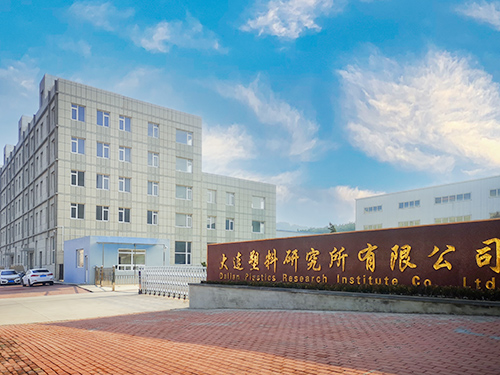
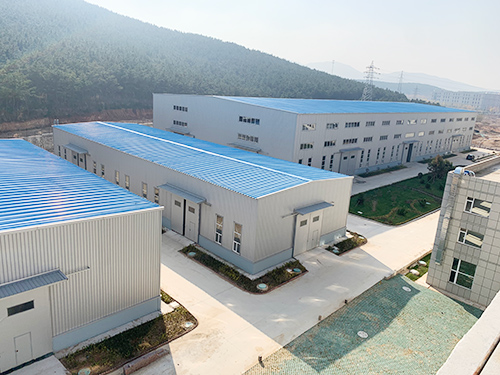
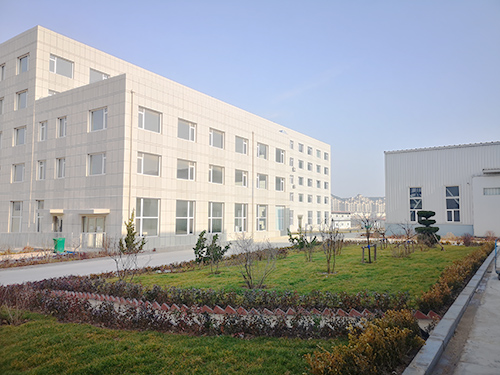




Company name: Dalian Plastics Research Institute Co., Ltd
Telephone:+86-411-66177850
18841186255
Fax:+86-411-86601784
Address: No.18 Fenghenan Road,Lvshunkou District,Dalian,Liaoning

Company name: Dalian Plastics Research Institute Co., Ltd
Telephone:+86-411-66177850
18841186255
Fax:+86-411-86601784
Address: No.18 Fenghenan Road,Lvshunkou District,Dalian,Liaoning
Daily Maintenance of Biaxial Stretch Mesh Production Line Equipment
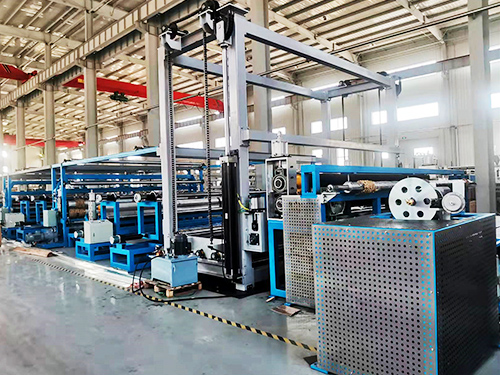
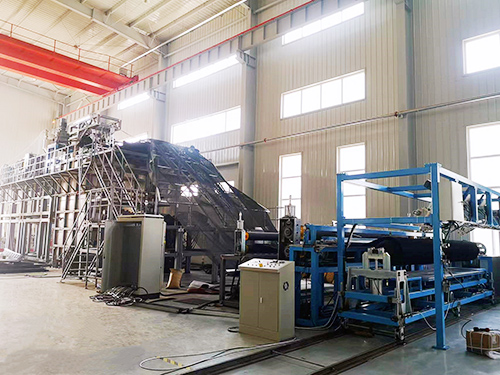
The biaxial stretch mesh production line is core equipment for producing plastic, metal, and other material-based biaxial stretch mesh. Its daily maintenance directly affects product quality stability, production efficiency, and equipment service life. The following elaborates on key maintenance focus areas from six core aspects: critical equipment maintenance, lubrication management, electrical system upkeep, cleaning and environmental control, consumable parts management, and inspection records.
I. Targeted Maintenance of Critical Equipment
The core equipment of a biaxial stretch mesh production line includes the extruder, machine direction orientation (MDO) unit, transverse direction orientation (TDO) unit, setting oven, and winder. Maintenance points must be established for each:
1. Extruder Maintenance
Screw and Barrel: Thoroughly clean residual material after each shutdown (especially when switching between different materials or colors) to prevent carbonized material from wearing the screw. Weekly check the clearance between screw and barrel; if clearance exceeds 0.2 mm, repair or replace to prevent uneven plasticization.
Heating System: Daily check if heating bands are functioning properly and if temperature sensors are accurate (deviation ≤ ±2°C). Replace or calibrate immediately if damage or drift is found. Regularly clean oil and dust from heating band surfaces to ensure heat dissipation efficiency.
Feeding System: Check wear on the feeding screw to ensure uniform material conveying. Install a dust screen at the feed port to prevent impurities from entering the raw material, which could cause equipment blockage or product defects.
2. Stretcher Maintenance
Machine Direction Orientation (MDO): Weekly check the parallelism of stretching rollers (measure with a dial gauge, deviation ≤ 0.05 mm); adjust bearing seats if misaligned. Clean residual material from roller surfaces to prevent scratches affecting mesh flatness. Check tension of drive gears and chains; adjust if loose.
Transverse Direction Orientation (TDO): Focus on clip chain system maintenance. Daily check clip wear (replace if tooth tip wear exceeds 1 mm) to ensure uniform clamping force. Regularly clean grease residue from guide rails and clips to prevent jamming. Check for uniform temperature distribution inside the oven and proper operation of hot air circulation fans.
3. Setting Oven and Winder
Setting Oven: Daily clean the oven filters to prevent clogging that affects hot air circulation. Check the surface smoothness of cooling rollers; polish if rust or scratches are found. Monitor cooling water temperature (maintain 25-30°C) to prevent scale buildup that reduces cooling effectiveness.
Winder: Weekly check the accuracy of winding tension sensors to ensure consistent winding tightness. Check reel alignment to prevent winding deviation. Clean dust from winding roller surfaces to prevent mesh adhesion.
II. Refined Lubrication System Management
Rotating components (bearings, gears, chains) rely on proper lubrication. Establish a strict lubrication schedule:
Lubrication Intervals: Bearings (e.g., stretching roller bearings) – add lithium grease every 3 months. Drive chains (e.g., TDO clip chains) – clean weekly and apply dedicated chain oil. Gearboxes (e.g., extruder gearbox) – change gear oil every 6 months; completely drain old oil before refilling.
Lubrication Standards: Strictly follow equipment manuals when selecting lubricants (avoid mixing different grease types). Apply appropriate amounts (bearing grease fill should be 1/3 to 1/2 of its volume; overfilling can cause excessive temperature rise).
Abnormal Handling: If leaks are found at lubrication points, immediately check for aging seals and replace O-rings or oil seals as needed.
III. Electrical System Safety Upkeep
The electrical system is the "brain" of equipment operation. Focus on preventing dust and moisture ingress:
Control Cabinet Maintenance: Daily clean dust from cabinet surfaces. Monthly open cabinet doors to check for loose internal wiring terminals (tighten with a screwdriver) and damaged cables. Install dust covers on control cabinets, maintain good ventilation, and keep temperature and humidity within limits (temperature ≤ 40°C, humidity ≤ 60%).
Sensor Calibration: Monthly calibrate temperature, pressure, and speed sensors (e.g., extruder melt pressure sensor, stretching speed encoder) to ensure data error ≤ ±1%. Recalibrate or replace sensors that drift.
Emergency Systems: Weekly test emergency stop buttons and overload protection devices to ensure immediate shutdown during sudden failures.
IV. Cleaning and Environmental Control
A clean production environment directly affects equipment life and product quality:
Equipment Cleaning: After daily production, use specialized cleaners to wipe extruder, stretching rollers, setting oven, and other surfaces to remove oil and residual material. Weekly clean dust inside equipment (e.g., fiber dust inside TDO ovens) to prevent accumulation that could cause fires or equipment failure.
Workshop Environment: Keep workshop floors dry and clean to prevent electrical shorts from standing water. Keep raw material storage areas moisture-proof and dust-proof to prevent material moisture absorption that affects extrusion quality.
V. Proactive Consumable Parts Management
Establish a consumable parts list (e.g., heating bands, seals, clips, filters) and regularly inspect and replace:
List Updates: Based on equipment operating data, record the service life of consumable parts (e.g., heating bands average 12 months, clips 6 months) and stock up in advance.
Replacement Criteria: Replace consumable parts immediately when wear reaches critical thresholds (e.g., filter clogging exceeds 50%, cracks appear in seals) to avoid cascading failures.
VI. Daily Inspections and Record Keeping
Develop a "per-shift inspection checklist" specifying inspection items and standards:
Inspection Items: Include equipment operating parameters (temperature, pressure, speed), abnormal sounds (e.g., bearing noise), vibration conditions, lubrication status, etc.
Record Analysis: Enter inspection data into a system and regularly analyze trends (e.g., continuously rising extruder melt pressure may indicate screw wear) to predict failures in advance.
Conclusion
Daily maintenance of a biaxial stretch mesh production line is a systematic task requiring full team participation and clear accountability. Through targeted maintenance of critical equipment, refined lubrication management, strict electrical system upkeep, clean environments, proactive consumable parts management, and standardized inspection records, equipment failure rates can be effectively reduced, production efficiency and product quality improved, creating greater value for the enterprise.



Address: No.18 Fenghenan Road,Lvshunkou District,Dalian,Liaoning Telephone:18841186255 mailbox:dsy@plasticdl.com

 Taobao Wangwang