
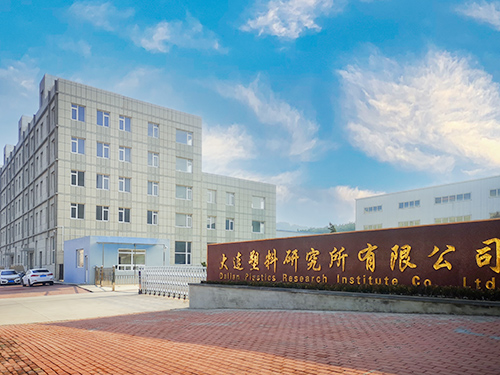
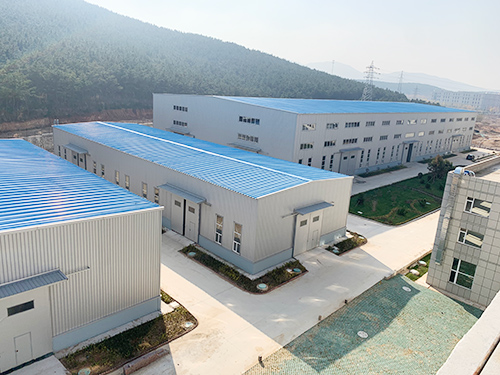
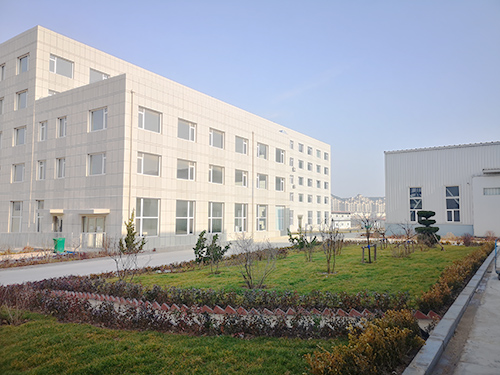
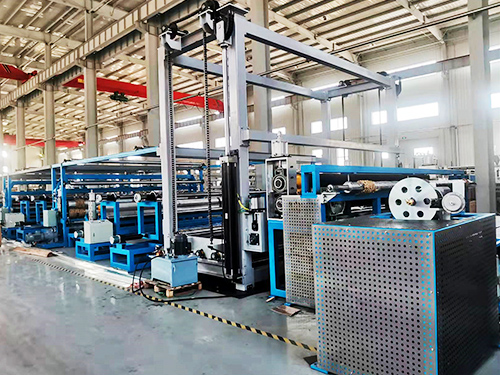
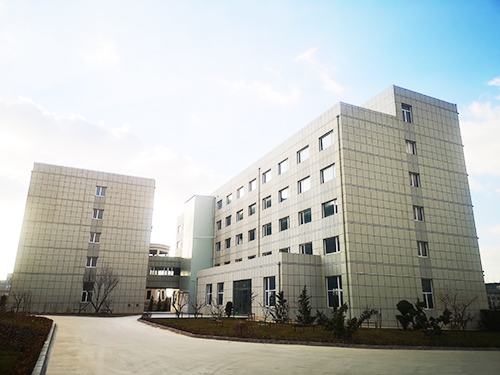
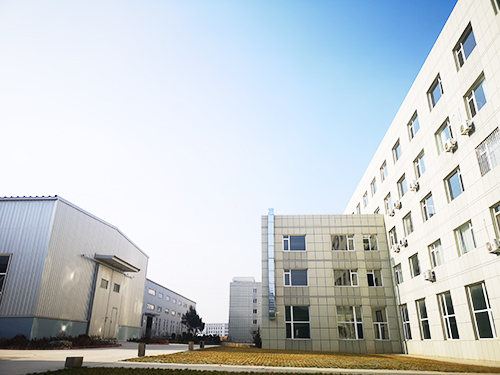
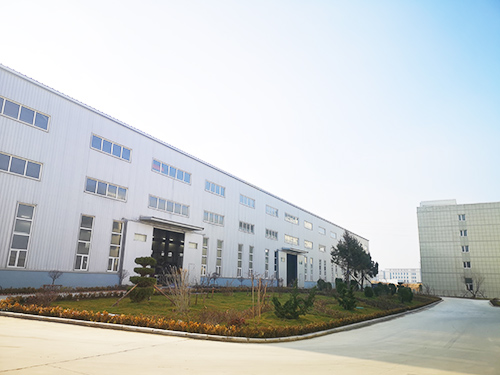




Company name: Dalian Plastics Research Institute Co., Ltd
Telephone:+86-411-66177850
18841186255
Fax:+86-411-86601784
Address: No.18 Fenghenan Road,Lvshunkou District,Dalian,Liaoning

Company name: Dalian Plastics Research Institute Co., Ltd
Telephone:+86-411-66177850
18841186255
Fax:+86-411-86601784
Address: No.18 Fenghenan Road,Lvshunkou District,Dalian,Liaoning
As a core geosynthetic material in engineering fields such as highways, railways, and water conservancy, geogrids directly determine engineering parameters such as tensile strength, mesh uniformity, and aging resistance.
Geogrid is an indispensable geosynthetic material for infrastructure projects such as highways, railways, and water conservancy. Its quality directly affects the stability and safety of the engineering structure. The performance and reliability of production line equipment are the core factors determining the quality of geogrids. Therefore, selecting equipment that meets quality standards is a prerequisite for enterprises to produce qualified products.
1、 Anchor production requirements and match technical parameters
The first step in selecting equipment is to clarify one's own production positioning:
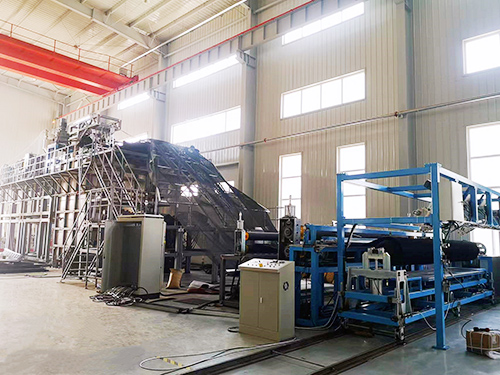
Product type: There are significant differences in the production lines of different types of geogrids (plastic, steel plastic, fiberglass, polyester). For example, plastic geogrids require a twin-screw extruder and a thermal stretching system; Steel plastic grating requires steel wire pretreatment, extrusion coating, and stretching forming; Fiberglass grating requires immersion curing and shaping process. Select the corresponding equipment based on the main product type.
Capacity and specifications: Determine the target production capacity (such as producing 10 tons or 50000 square meters per day) and product specifications (width 1-6 meters, tensile strength ≥ 80kN/m, mesh size 25-100mm), and choose the equipment model based on this. For example, high production capacity requires the installation of large-diameter extruders (such as Φ 90mm twin-screw) and wide stretching devices; High precision mesh requires the selection of a servo driven forming system.
Customization requirements: If special specifications (such as irregular mesh holes, composite grilles) need to be produced, it is necessary to confirm whether the manufacturer has the ability to customize molds and process adjustments.
2、 Strictly control core components and establish a solid foundation for quality
Core components directly affect product performance and equipment lifespan, and need to be carefully monitored
Extrusion system: The screw barrel should be made of 38CrMoAlA nitride treated material (wear-resistant and corrosion-resistant), and well-known brands such as Siemens and SEW should be preferred for the motor and reducer to ensure stable extrusion volume and uniform plasticization; The twin-screw extruder needs to have a forced feeding device that is compatible with different raw materials (such as PP, PE, PET).
Forming and stretching device: The forming mold needs to undergo CNC precision machining (surface roughness Ra ≤ 0.8 μ m) to ensure a mesh size deviation of ≤± 1mm; the stretching system needs to use servo synchronous drive (tension control accuracy ± 5N) to avoid strength fluctuations caused by uneven stretching; The hot stretching process requires an infrared thermometer with a temperature control accuracy of ± 2 ℃.
Cooling and winding: The cooling system needs to adopt closed-loop water circulation (temperature difference ≤ 3 ℃) to prevent product deformation; The winding machine needs to have constant tension control to ensure uniform roll diameter, no wrinkles, and synchronous winding speed with the production line (error ≤ 0.5m/min).
3、 Assess the strength of the manufacturer and avoid quality risks
Choosing a reliable manufacturer is the key to achieving equipment quality standards:
Qualification and certification: Priority should be given to manufacturers with ISO9001 quality system certification and CE certification, and they must hold relevant patents for geogrid production lines (such as efficient stretching process and energy-saving extrusion technology).
Case and reputation: View the manufacturer's past successful cases (such as supplying to enterprises such as China Communications Construction Corporation and China Railway) to understand the stability of equipment operation; Verify the manufacturer's reputation through industry associations or customer evaluations.
R&D and production capabilities: Conduct on-site inspections of the manufacturer's R&D team (whether there are professionals in polymer materials or mechanical engineering) and production workshop (whether there are CNC machining centers and quality inspection laboratories) to ensure that they can provide continuous technical support and quality assurance.
Customization capability: Inquire with the manufacturer if they can adjust equipment parameters (such as extrusion temperature and stretching ratio) based on the customer's raw material formula and product standards to avoid the inability of "one size fits all" equipment to adapt to special processes.
4、 Emphasize after-sales support and reduce operating costs
The long-term stable operation of equipment cannot be achieved without comprehensive after-sales service
Installation, debugging, and training: The manufacturer is required to provide free installation and debugging, as well as theoretical and practical training for operators (including equipment maintenance and troubleshooting).
Warranty and response: The entire machine requires a warranty of at least 1 year, and the core components (screws, servo motors) require a warranty of at least 2 years; The after-sales team needs to respond within 24 hours and arrive on site within 48 hours to solve the problem.
Vulnerable parts and upgrades: Confirm whether the manufacturer provides long-term supply of vulnerable parts (such as filters, mold accessories); Does it support subsequent technological upgrades (such as adding online detection systems, energy-saving renovations) to adapt to new industry standards.
5、 Strictly conduct machine testing and acceptance to ensure compliance and production
Before signing the contract, a trial machine acceptance is required:
Sample testing: The manufacturer is required to produce samples using customer specified raw materials, and test the tensile strength, elongation at break, mesh deviation and other indicators according to national standards (such as GB/T17689-2014 plastic grating, GB/T21825-2008 steel plastic grating) to ensure compliance with requirements.
Equipment operation test: Run continuously for 8 hours, check the equipment noise (≤ 85dB), energy consumption (such as extruder unit energy consumption ≤ 0.5kW · h/kg), stability (no jamming, film breakage or other faults).
Safety and Environmental Protection: Check if the equipment is equipped with safety devices such as emergency stop buttons and protective covers; Whether it meets environmental requirements (such as exhaust gas treatment system, no waste oil leakage).
Choosing geogrid production line equipment is a systematic project that requires starting from demand, controlling the quality of core components, selecting strong manufacturers, emphasizing after-sales support, and passing strict machine testing and acceptance. Only in this way can we ensure that the equipment quality meets the standards, lay the foundation for the production of high-performance geogrid products for enterprises, and help improve the quality of engineering construction.



Address: No.18 Fenghenan Road,Lvshunkou District,Dalian,Liaoning Telephone:18841186255 mailbox:dsy@plasticdl.com

 Taobao Wangwang